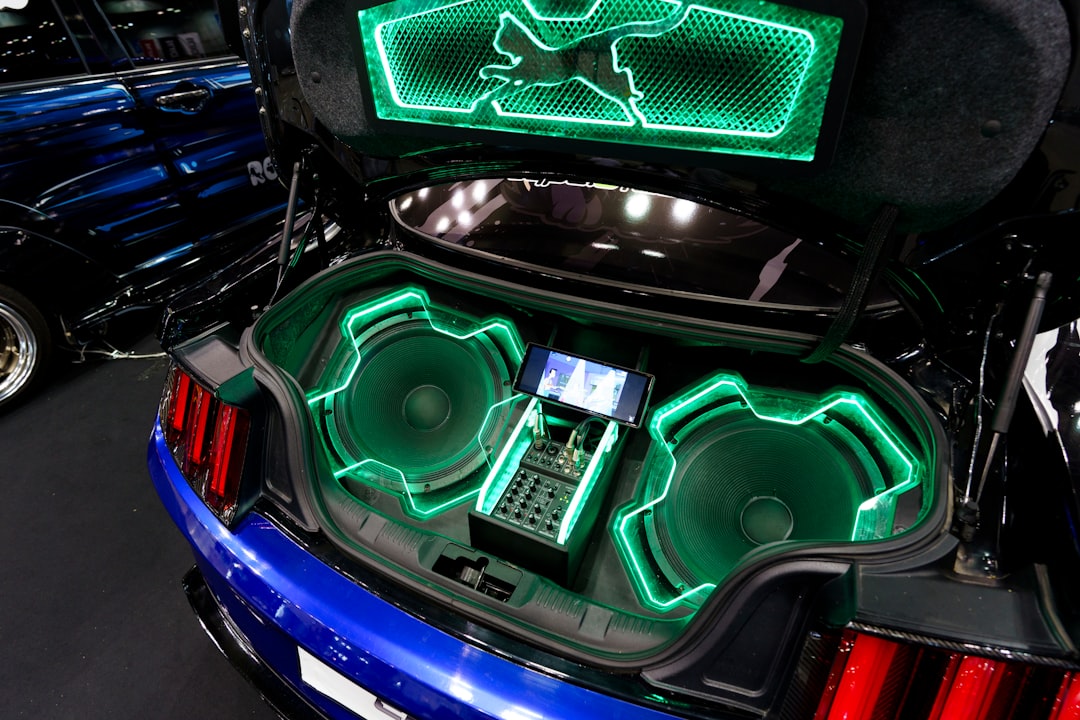
Understanding what goes wrong—and how professional installation makes it right
The gap between DIY car audio projects and professionally installed systems often comes down to understanding what can go wrong—and knowing how to prevent it. Modern vehicles carry increasingly sophisticated electrical systems, and retrofitting audio, remote starters, and accessories requires more than just buying quality equipment. Installation quality directly determines whether your investment performs as intended or causes problems down the line. Poor wiring practices introduce ground loops, inadequate power delivery, and signal interference. Improper mounting damages vehicle structure and creates safety hazards. Using incorrect adapters and integration methods compromises factory systems and voids warranties. This resource explores the most common issues we encounter and how they're resolved through proper technique.
Technical audio and electronics issues arise from installation shortcuts and misunderstandings
A buzzing or hum in your audio system is usually caused by multiple ground paths creating electrical loops. This happens when amplifiers, head units, and processors aren't grounded to the same point. The solution requires tracing electrical pathways and consolidating grounds to a single, clean point on the chassis. This technical fix is straightforward for professionals but remains one of the most common DIY failures.
When amplifiers repeatedly blow fuses or your system loses power intermittently, the root cause is usually undersized power and ground cables. Many installers use the wire gauge recommended by equipment manufacturers rather than vehicle-specific requirements accounting for cable run length and existing electrical draw. Proper installation uses heavier gauge copper wire with correct sizing formulas, ensuring stable voltage delivery and protecting both the audio system and vehicle electrical integrity.
Speakers installed in improper enclosures, at wrong angles, or without acoustic sealing deliver disappointing bass response and muddy midrange. Factory speaker locations often require custom mounting brackets to maintain proper geometry and seal. Door panel work requires precise craftsmanship to prevent rattle and vibration transmission. These details determine whether your speakers sound professional or mediocre—they cannot be overlooked.
These represent the technical foundation of quality installation. Beyond these fundamentals lie integration challenges with factory systems, security considerations with remote starters, and structural integrity concerns with truck accessories.
Discuss Your System
Modern vehicles present installation challenges that didn't exist in earlier car audio markets. Factory electrical systems operate on precisely calculated load budgets. Adding audio amplifiers, remote starters, and accessories requires understanding how these systems interact with existing vehicle electronics. Many vehicles include integrated security systems, computer-controlled transmission management, and CAN-bus networks that communicate between modules. Incorrect integration can trigger warning lights, create intermittent faults, or prevent other factory systems from functioning.
Power delivery represents another critical layer. Vehicle electrical systems operate at 12V DC with internal resistance that increases dramatically with wire gauge and cable length. A 4-gauge power cable running 30 feet to a rear amplifier experiences voltage drop of approximately 0.5V or higher, reducing available power by 8-10%. Quality installation accounts for these physics principles with proper cable sizing, distribution blocks positioned strategically, and secondary ground paths when necessary. These calculations separate professional results from expensive mistakes.
Signal integrity becomes increasingly important as systems grow more complex. Audio signals traveling from head units to amplifiers can pick up electromagnetic interference from alternators, ignition systems, and digital modules. Proper shielding, twisted pair cabling, and ground plane management prevent this interference. Remote starter integration requires understanding security protocols built into modern vehicles, ensuring activation can occur without bypassing safety interlocks. Truck accessory installation demands structural knowledge to prevent weight distribution problems and chassis stress.
See Installation ExamplesThe hum is a ground loop created by multiple current pathways between components. This happens when the head unit, amplifier, and other components ground to different chassis points. Professional shops isolate these grounds or use ground loop isolators on signal lines, eliminating the hum completely. The fix requires proper electrical routing rather than equipment replacement.

Many people successfully handle basic speaker upgrades. However, amplifier installations and remote starters require knowledge of electrical theory, vehicle architecture, and safety practices. Improper power and ground wiring can damage vehicle electrical systems or create fire hazards. Factory integration with modern vehicles involves security protocols that aren't always obvious. The cost of professional installation is often less than repairs needed after failed DIY attempts.
Installation quality determines whether quality equipment performs as engineered. Poor speaker mounting prevents proper frequency response. Inadequate power delivery limits amplifier output and dynamics. Improper signal routing introduces noise and distortion. Factory integrations done incorrectly trigger warning lights and reduce reliability. Professional installation ensures that expensive equipment achieves its designed performance rather than being wasted on poor execution.
Shops differ dramatically in technical knowledge, equipment investment, and attention to detail. Certified technicians from programs like MECP maintain standards for workmanship and continuing education. Shops with proper diagnostic equipment can troubleshoot complex issues rather than replacing components randomly. Experience with different vehicle platforms matters—what works on one model requires different techniques on another. Quality shops invest in this knowledge and equipment because it directly affects results.
Car audio and automotive electronics represent significant investments that perform reliably only when properly installed. Common issues like ground loops, inadequate power delivery, poor speaker performance, and factory system incompatibility stem from installation shortcuts and technical misunderstandings. Professional shops resolve these problems through proper electrical routing, vehicle-specific integration knowledge, structural expertise, and systematic testing. The cost of professional installation is typically less than repair expenses following failed DIY attempts or incompetent installation work. More importantly, professional work ensures your investment performs as engineered, delivering years of reliable enjoyment. Understanding these technical principles helps you evaluate shop competency and make informed decisions about your vehicle's audio and accessory upgrades.