Under The Hood: Remote Starters & Vehicle Electronics

A technical guide to understanding how modern remote starter systems integrate with your vehicle's electronics and why professional installation matters.

Orientation — What This Is

Remote car starters have evolved from simple gadgets to sophisticated integrated systems that must communicate with your vehicle's electrical architecture. Whether you're considering an upgrade, troubleshooting an existing installation, or simply curious about the electronics under your hood, this guide breaks down the key technical components and interactions. We'll explore how these systems work, what makes installation quality critical, and how to evaluate whether your current setup meets professional standards. This isn't marketing material — it's technical depth designed for people who want to understand what's actually happening when they press that key fob.

The Detail: How Remote Starters Interface With Vehicle Systems

A functional remote starter doesn't simply turn the key. It sends a signal to a receiver module, which then communicates with your vehicle's CAN (Controller Area Network) bus — the automotive equivalent of a nervous system. This communication protocol allows the starter module to safely bypass the ignition cylinder while respecting critical safety interlocks: your parking brake status, transmission position, and engine shutdown sequences. The module must understand your specific vehicle's electrical architecture — the location of relay switches, the power requirements of your fuel pump and ignition systems, and how to trigger the starter motor without conflicting with security systems. This is where professional technicians distinguish themselves. An installer who understands these systems can integrate a remote starter that feels OEM (original equipment manufacturer) in its reliability. A rushed installation might work initially but create voltage spiking, security conflicts, or relay chattering that shortens component lifespan.
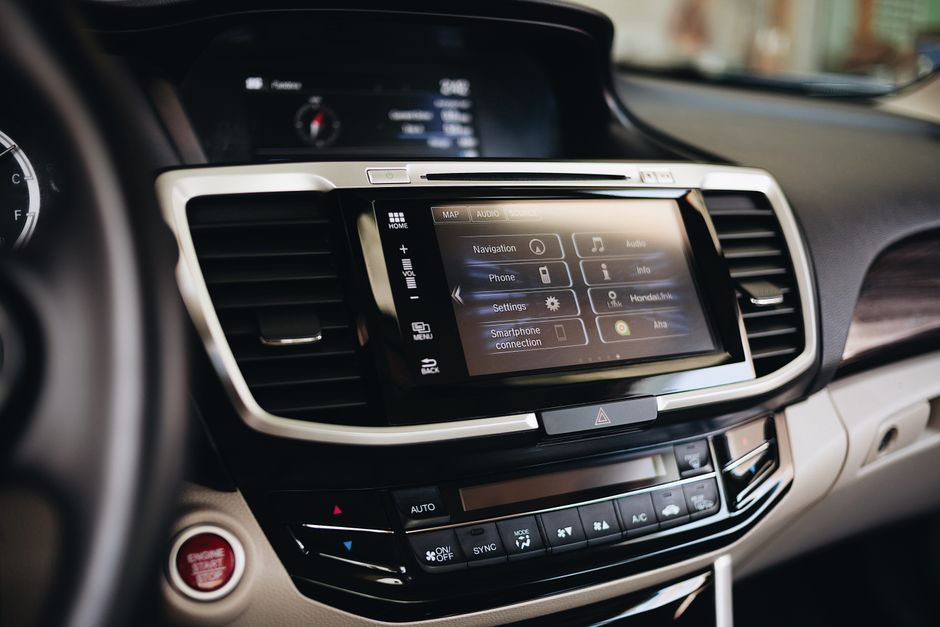

Professional automotive remote starter system installation showing integrated receiver module and wiring harness
Integrated receiver modules must communicate with your vehicle's CAN bus through properly gauged wiring and strategically placed relays. Professional installations verify voltage drops and signal integrity at each connection point.

The Reference Table: Remote Starter System Components

Understanding what's involved in a complete installation helps you evaluate whether a shop is cutting corners. Here are the core functional areas and what each contributes to system reliability:

Component Function Integration Complexity Common Failure Point
RF Receiver Module Receives key fob signal, decodes encrypted command High — must be water-sealed and positioned for signal reach Moisture ingress from poor weatherproofing or exposed wiring
Relay Bank Switches high-current circuits (starter, fuel pump, ignition) on command High — location and gauge requirements vary by vehicle Undersized wiring causing voltage drop or relay overheating
Safety Override Sensor Detects parking brake position and transmission state to prevent dangerous starts Medium — OEM sensor integration varies by make/model Misaligned sensor calibration leading to nuisance disables
Power Distribution Harness Routes power from battery to receiver, relays, and control modules with proper fusing Medium — fuse rating and wire gauge must match current draw Improper fuse selection causing nuisance blows or fire risk
CAN Bus Interface (if applicable) Connects to vehicle's computer network for seamless diagnostics and security handshake Very High — requires OEM protocol knowledge and specialized diagnostic tools Improper protocol implementation causing check engine lights or limp mode activation

Common Sticking Points

Why does my remote starter sometimes fail to engage, especially in cold weather?

Cold temperatures affect both the RF receiver sensitivity and battery voltage output. A properly installed system includes temperature compensation in the module firmware and uses proper gauge wiring to ensure sufficient voltage reaches the starter even when ambient temperature drops. If you're experiencing cold-weather failures, the most common culprit is undersized power wiring creating voltage spiking under the high current draw of starter engagement in cold conditions. This is a diagnostic-level issue requiring professional oscilloscope testing.

How do I know if my remote starter conflicts with my vehicle's security system?

Modern vehicles use rolling-code encryption and immobilizer verification. A quality remote starter module communicates with your OEM immobilizer rather than bypassing it. You'll know there's a conflict if the check engine light appears after remote start attempts, if your vehicle reverts to limp mode, or if the security light blinks continuously. These symptoms indicate the installer didn't properly integrate the system with your vehicle's CAN bus protocol. Professional shops test this integration before you leave.

Can adding a remote starter affect my vehicle's warranty?

Aftermarket installations can theoretically trigger warranty concerns if they're found to be the cause of subsequent electrical issues. The protection comes from proper installation documentation and professional-grade components. Shops that provide installation diagrams, component certification records, and warranty cards for their work create an audit trail protecting both you and themselves. Budget installers skip this documentation, which is a red flag regardless of price.

What's the difference between a 'simple' remote starter and a 'CAN bus' system?

Simple systems use relay switching to bypass the ignition, which works well on older vehicles with straightforward electrical architecture. CAN bus systems communicate directly with your vehicle's computer network, allowing for features like preserving climate control settings, respecting transmission position sensors, and integrating with factory security protocols. Newer vehicles essentially require CAN bus integration; older vehicles can work with either approach. The cost difference is significant, and so is the installation complexity.

How To Use This Information

Whether you're evaluating an existing installation or planning a new one, follow these steps:

  1. Identify your vehicle's electrical architecture. Is it pre-2005 (simple relay systems), 2005–2015 (early CAN bus hybrids), or post-2015 (full OEM integration expected)? Your vehicle's complexity determines what's realistic to install.
  2. Ask your installer detailed questions about component selection. Why that receiver module? What's the relay strategy? How are they handling the immobilizer? Budget contractors give vague answers. Professional shops explain their approach in technical terms.
  3. Request installation documentation. Professional shops provide wiring diagrams, fuse specifications, relay locations, and warranty information. These documents protect you and prove the work was done to standard.
  4. Understand the integration method. Will they be using simple relay switching, OEM integration, or full CAN bus communication? Each has cost and complexity implications.
  5. Verify safety override functionality. Ask to watch the parking brake sensor being tested, and confirm the transmission position sensor is properly calibrated to prevent dangerous cold-weather starts.
  6. Plan for diagnostics after installation. A professional shop will use factory diagnostic tools to confirm no error codes were introduced and that security handshakes complete properly.

Professional Standards & Authority

Professional automotive installation tools and equipment showing expert-level car audio and accessory setup
Professional installations require proper diagnostic tools and component verification at each stage. This is where installation quality directly impacts system longevity and safety.

Guidance from NHTSA's keyless ignition systems overview outlines the park and neutral safety interlocks that any responsible remote-start installation has to respect. It's one of the reasons installation quality matters as much as the hardware itself. When a remote starter allows ignition engagement while the vehicle is in gear or without the parking brake set, you're not looking at a minor oversight — you're looking at a safety violation that could create liability issues for both the shop and your insurance.

This is why professional installers who understand the technical depth — who can explain CAN bus protocols, verify voltage drops under load, and document their work with factory diagnostic tools — command higher rates. They're not charging for labor time. They're charging for the knowledge that prevents expensive electrical failures and keeps your vehicle safe.

Ready to Understand Your Installation Better?

Whether you're evaluating a quote or troubleshooting an existing system, professional guidance makes the difference. Reach out with specific questions about your vehicle and installation approach.